
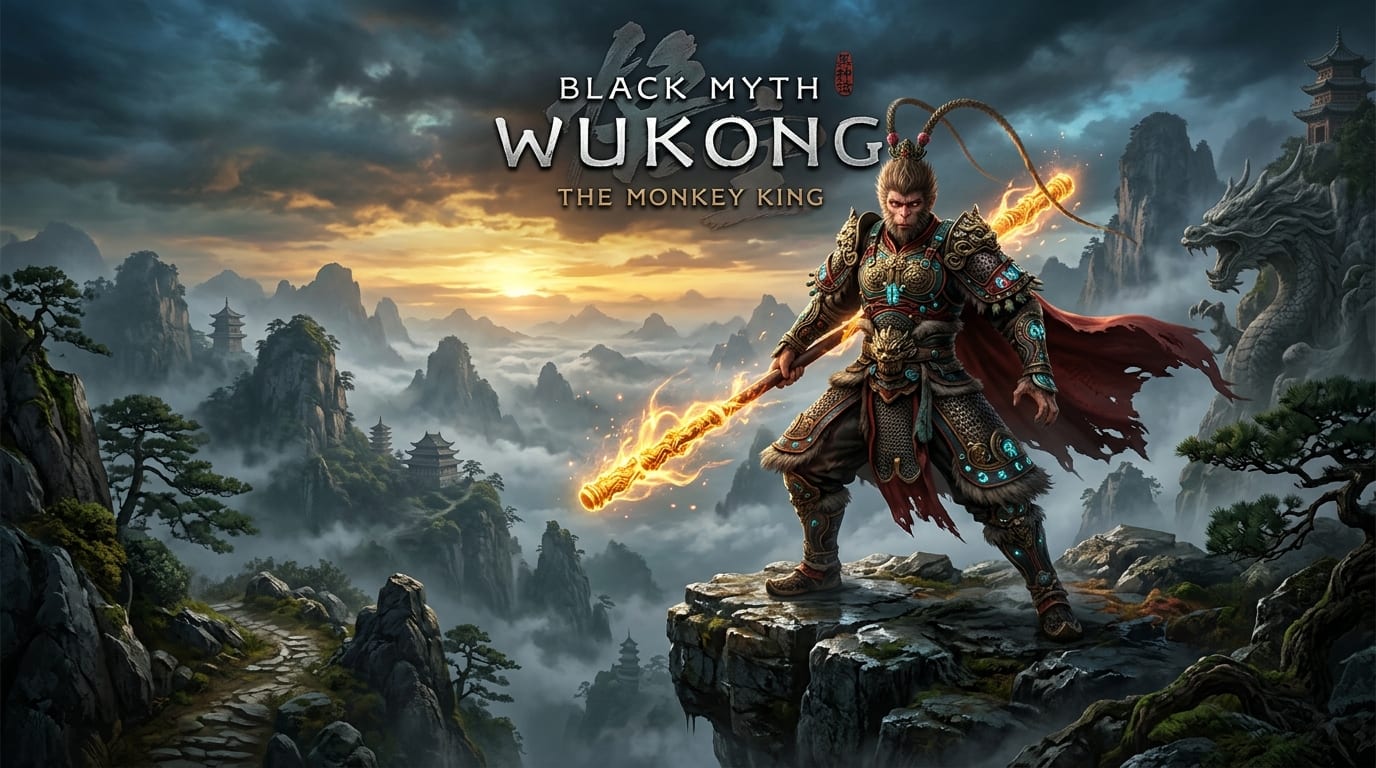
Buying a video game can be surprisingly difficult. Not because there aren't enough games to choose from, but because there are too many.
You can see a game with beautiful screenshots, an impressive trailer, thousands of positive reviews, and plenty of people talking about it online. Then you buy it, play for an hour or two, and realize that something doesn't click. Maybe the combat feels repetitive. Maybe the story takes too long to get going. Perhaps you don't have enough free time for a game that expects dozens of hours from you. Or maybe the game is genuinely good, but simply isn't the kind of experience you enjoy.
That's where the question "is a video game worth buying?" becomes more complicated than looking at its rating.
A game can be excellent and still be a poor purchase for you.
Price matters, but so does your time. Game length matters, but a 100-hour game isn't automatically better value than a 10-hour one. Reviews can be useful, but other people's opinions don't always match your tastes. Even the genre isn't enough to tell you whether you'll enjoy a particular title.
The better approach is to look at the whole picture before spending your money.
So, if you're trying to figure out how to know if a video game is worth buying, here's a practical way to evaluate it without getting carried away by hype.
Start With the Experience You Actually Want
Before looking at ratings, ask yourself a simpler question:
What do I want from a game right now?
That question can save you from buying something you'll barely play.
Sometimes you're looking for a game with a strong story that you can experience at your own pace. Other times, you might want something competitive where every match feels different. Maybe you want a relaxing game you can play for 30 minutes after work. Or perhaps you're in the mood for something difficult that demands concentration.
Your answer changes what makes a game valuable.
For example, imagine two games receive equally strong reviews. One is a slow-paced story-driven adventure that takes 20 hours to complete. The other is a competitive multiplayer game that you can keep playing for months.
Which one offers better value?
There isn't a universal answer. If you enjoy stories and prefer games with a clear beginning and ending, the first game might be exactly what you're looking for. If you enjoy competitive matches and don't care much about finishing a story, the second could give you far more enjoyment.
This is why video game quality shouldn't be confused with personal suitability.
Don't Let the Game's Popularity Make the Decision for You
A game being popular is useful information, but it isn't proof that you'll enjoy it.
This is one of the easiest mistakes to make when choosing a game. You see everyone discussing a particular title, watch several videos about it, and start feeling as though you're missing something by not playing it.
But popularity doesn't tell you everything:
- A highly successful multiplayer game may be frustrating if you dislike competitive environments.
- A critically praised role-playing game may feel exhausting if you don't enjoy long conversations, exploration, or character-building systems.
- A famous open-world game might give you hundreds of things to do when all you wanted was a focused experience.
Popularity answers the question: "Do many people like this game?"
It doesn't answer: "Will I like this game?"
Those are two very different questions.
Look Beyond the Genre
Genre is a useful starting point, but don't stop there.
Two games can both be classified as action games while offering completely different experiences. The same applies to racing games, role-playing games, strategy games, shooters, and sports games.
Instead of asking only, "What genre is this?", look at what you actually enjoy inside that genre:
- Fast combat but dislike complicated character systems.
- Exploration but don't care much about the story.
- Strategy but dislike real-time pressure.
- Multiplayer but prefer cooperative play.
- Competitive games but don't want ranked matches.
- Open worlds but dislike excessive side quests.
- Story-driven games but prefer shorter campaigns.
Those details are much more useful when you're trying to figure out how to choose a video game worth buying than a simple genre label.
Read Reviews, But Read Them Differently
Video game reviews can be extremely useful, but many people use them incorrectly. They look at a score and treat it as a verdict.
A review score might tell you that critics generally liked a game. It doesn't necessarily tell you whether the game fits your preferences.
Instead of focusing entirely on the number, look for comments about:
- Gameplay quality & responsiveness
- Story pacing and character depth
- Difficulty spikes & accessibility options
- Technical performance & frame pacing
- Replayability & progression systems
- Monetization practices & extra costs
- Mission repetitiveness
The written part of a review often tells you much more than the rating. If a reviewer says that a game has excellent combat but takes several hours before it becomes interesting, and you're patient, that might not bother you. If you want immediate action, however, it's a critical red flag.
Don't simply ask whether reviewers liked it. Ask why they liked it.
Pay Attention to Negative Reviews
Positive reviews tell you what people enjoy. Negative reviews can sometimes tell you whether you'll enjoy it.
That doesn't mean every negative review is correct. Some complaints are based on personal preferences, unrealistic expectations, or issues that may have been patched. Still, recurring criticism deserves attention.
Suppose you notice several players independently complaining that a game has repetitive missions. If repetitive gameplay normally makes you quit a game, that's far more relevant to you than the overall 9/10 rating.
On the other hand, if players complain that the game is too difficult and you specifically enjoy challenging games, that criticism might actually be a positive from your perspective.
Don't ask whether a game's flaws are objectively acceptable. Ask whether those flaws matter to you.
Watch Real Gameplay Before You Buy
Trailers are designed to make games look appealing. That's their job.
But trailers aren't always the best way to understand what playing a game actually feels like. If you're considering buying a game, watch several minutes of ordinary gameplay footage. Look for footage that shows actual missions, combat, exploration, menus, inventory management, and progression.
Pay attention to:
- Does the gameplay look repetitive?
- Do the controls seem comfortable?
- Is the pacing too slow for your taste?
- Does the game appear complicated in a way you'll enjoy, or complicated in a way you'll find frustrating?
You don't need to watch hours of gameplay. Even a short, unedited five-minute section can reveal things that a cinematic trailer never will.
Think About How Much Time You Actually Have
Game length is often treated as a measure of value. That's not always sensible.
A 60-hour game isn't necessarily better value than a 12-hour game. If you have very little free time, a shorter game that you genuinely enjoy may provide more value than a massive game that you never finish.
Think about your normal gaming schedule:
- If you can play for only a few hours each week, a game that requires a huge time commitment may become difficult to enjoy. You might forget parts of the story between sessions or lose interest before reaching the more interesting sections.
- On the other hand, if gaming is one of your main hobbies and you enjoy long adventures, a lengthy game could be exactly what you're looking for.
The real question isn't simply: "How long is the game?"
It's: "Will I enjoy the amount of time this game expects from me?"
Consider Replayability, But Don't Overvalue It
Game replayability can make a game more attractive, especially if you're buying something you expect to play for a long time. Multiplayer games, strategy games, sandbox games, and games with multiple endings can offer reasons to return after the first playthrough.
But replayability isn't automatically valuable. A game can technically have hundreds of hours of content while giving you little reason to keep playing. Another game might take only 15 hours to complete but deliver an experience you'll remember and enjoy from beginning to end.
Don't confuse quantity with quality. If you're someone who rarely replays games, paying extra because a game has endless replay potential may not make much sense.
Compare the Price With the Type of Experience
Game price matters, but price should be considered alongside what you're getting. Before buying, ask yourself:
"If I enjoy this game for the amount of time I realistically expect to play it, will I feel that my money was well spent?"
This doesn't mean calculating a strict cost-per-hour figure. A short, memorable game can be worth more to someone than a repetitive game that takes 100 hours to complete.
Instead, consider the overall game value for money:
- The type of gameplay you're getting.
- How much content actually interests you.
- Whether you'll use the game's features.
- Whether you can afford the purchase comfortably.
- Whether a cheaper alternative or waiting for a sale would satisfy the same need.
If you're interested in a game but not convinced about the price, you don't necessarily have to make a decision today.
Don't Ignore the Cost of Extra Content
The initial purchase price isn't always the complete picture. Depending on the game, you may encounter downloadable content, expansions, cosmetic purchases, subscriptions, battle passes, or other optional spending.
These aren't automatically bad, but you need to know what you're actually buying:
- If the base game already provides a complete, satisfying experience, additional content may not matter much.
- But if the experience you're interested in depends heavily on expansions, characters, or currency passes, factor that into your buying decision.
Don't judge value using only the price shown on the initial store page.
Check Whether the Game Fits Your Platform
Before buying, verify that your system can handle the game properly. Also consider factors that directly affect your comfort:
- Storage requirements (e.g. 150GB+ install footprint)
- Persistent internet connection requirements
- Controller vs. mouse and keyboard preferences
- Cross-platform play support
- Accessibility options and subtitle legibility
- Frame rate stability on your particular hardware
A game can look perfect on paper and still be a disappointing purchase if your setup struggles to run it smoothly.
Think About Who You'll Be Playing With & Community Health
For multiplayer games, your experience depends heavily on the people you play with:
- A cooperative game may become much more enjoyable when you have friends who are interested in playing regularly.
- If a game relies heavily on communication and teamwork and you mostly play solo, you may experience it very differently.
Similarly, look at the game's community carefully. Are players discussing strategies and enjoying the game, or are most conversations dominated by technical bugs, server downtime, and toxicity? Community size alone doesn't guarantee a good experience.
Don't Buy a Game Just Because It's on Sale
Discounts are great until they convince you to buy games you wouldn't have considered at full price. A 70% discount can make a game look irresistible.
But saving money on something you don't actually want isn't saving money.
Before purchasing a heavily discounted title, ask: "Would I still want this if it weren't on sale?" If the answer is no, leave it. There will always be another sale.
A Simple 8-Step Way to Decide Before Buying
If you're still unsure whether a video game is worth buying, run through this practical checklist:
1. Identify what you want: Decide what kind of experience you're looking for right now.
2. Check actual gameplay: Watch real, unedited gameplay footage rather than relying entirely on cinematic trailers.
3. Read several reviews: Look for qualitative explanations of the mechanics, not just review numbers.
4. Investigate common complaints: Pay particular attention to complaints that match your personal deal-breakers.
5. Consider your available time: Ask whether the game's length and pacing fit your real-world lifestyle.
6. Look at the complete cost: Consider the initial price and any additional expansions or microtransactions.
7. Compare alternatives: If you're uncertain, compare two or three similar games in your library or on your wishlist.
8. Give yourself permission to wait: You don't have to buy every game immediately. Waiting for a patch, sale, or demo is often the smartest move.
When You Should Probably Wait
Sometimes the smartest answer to "is a video game worth buying?" is simply: Not yet.
You might want to wait if:
- You're only interested because of online hype.
- You haven't seen enough actual gameplay.
- The reviews are divided and you don't know why.
- You already have several unfinished games in your backlog.
- The current price feels uncomfortable for your budget.
- You're waiting to see how performance patches and post-launch updates shape up.
Waiting doesn't mean you aren't a passionate gamer. It means you're being deliberate about where your time and money go.
The Best Game Isn't Always the Best Game for You
The question of whether a game is worth playing shouldn't be answered by a score alone. A better approach is to consider the relationship between the game and the person buying it:
- Do you like the gameplay loop?
- Does the difficulty suit you?
- Does the length make sense for your schedule?
- Are the game's flaws things you can comfortably tolerate?
- Can you imagine yourself choosing to play it when you have free time?
That's the test that matters. A game doesn't need to be flawless to be worth your money. It needs to offer an experience that you are likely to enjoy enough to justify the time, attention, and money you're putting into it.
The next time you're standing over a "Buy Now" button, step away from the hype for a moment. Then ask the simplest question of all:
"Is this actually the kind of game I want to play?"
If the answer is yes, you've found a much better reason to buy it than a high rating ever could.
Recommended Reading: Finding Your Next Great Game
Ready to find the title that perfectly matches your current mood and schedule? Read our companion guide: How to Choose the Right Video Game for You: A Simple Guide to Finding Your Next Game.
Explore how to cut through decision paralysis and uncover games that fit your exact lifestyle.